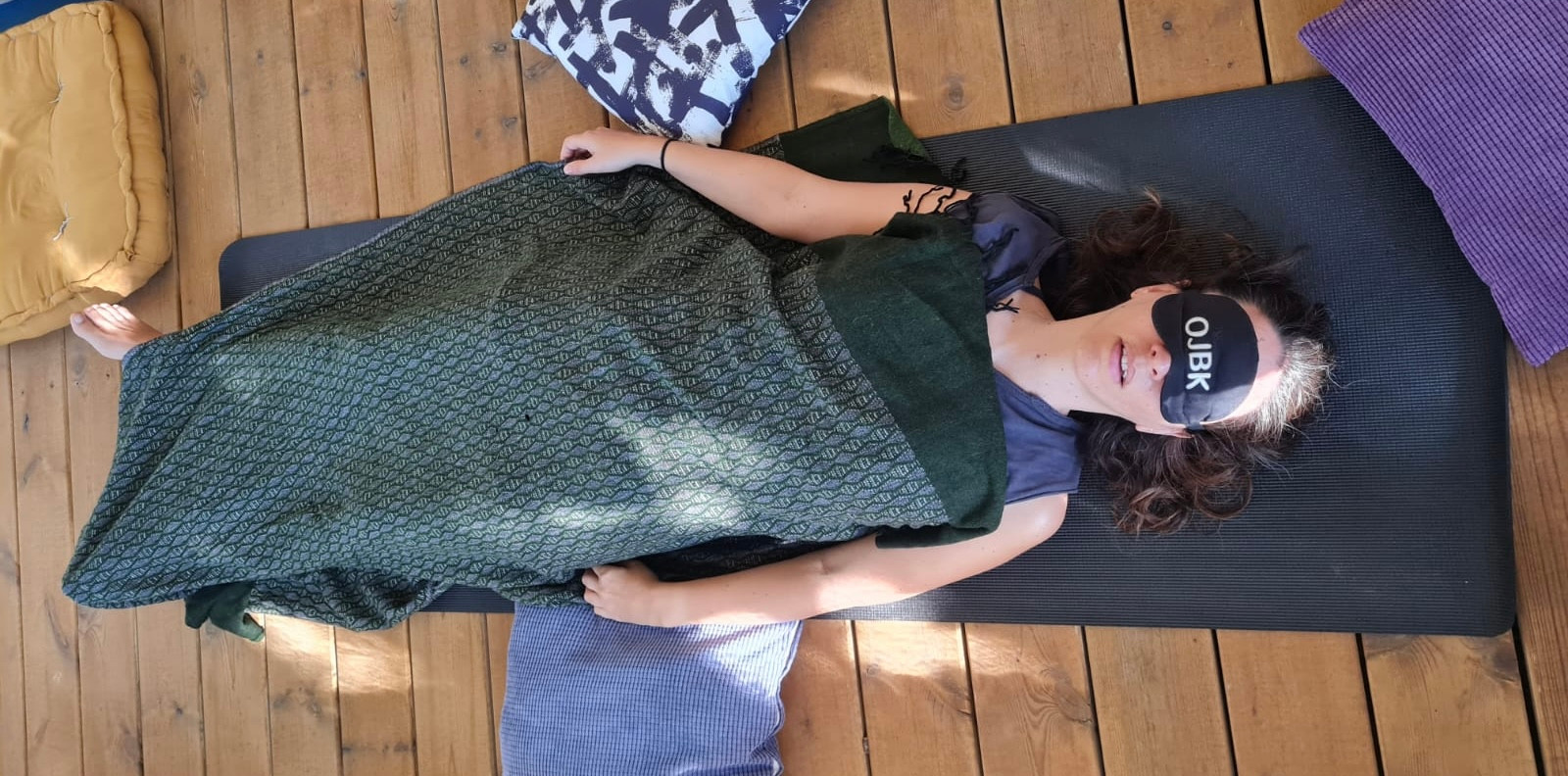
If you're here searching for rebirthing risks you're probably considering trying a circular breathing session — but something worries you. That's completely natural. Let's understand together what really happens to body and mind what risks exist and how to prepare for a safe and empowering experience.
What is rebirthing?
A deep breathing practice involving continuous breathing without pauses between inhale and exhale usually at a faster than normal pace. Developed in the 1970s by Leonard Orr. Many describe it as an intense meditative experience — an inner journey of self-discovery.
What happens during a session?
Gas changes in the blood: intensive breathing raises oxygen levels and lowers CO₂ causing tingling in hands feet and around the mouth and mild dizziness. Acidity changes: mild hand muscle cramping (tetany) — looks odd passes when breathing normalizes. Emotional release: strong emotions often surface — burst of tears laughter anger releasing. This is exactly the point.
Possible risks and side effects
For a healthy person with a qualified facilitator rebirthing is as safe as other breathing practices. Main physical risks are transient hyperventilation sensations. Fainting is possible but very rare and a skilled facilitator will prevent it. Psychosis does not occur in healthy individuals.
Who should avoid it?
Significant cardiovascular disease. Epilepsy or seizure history. Psychotic mental health conditions. Active panic disorder (without experienced guidance). Pregnancy. Serious chronic illness. In all cases — discuss with the facilitator before the session.
How to ensure a safe experience?
Check the facilitator's training and experience. Expect health questions before the session. In group workshops — verify facilitator-to-participant ratio (at least 1:5). Ensure a physically safe and comfortable space.
Most important: feel comfortable asking questions and sharing. A good facilitator will welcome it.